48 Hours, 1st Place: Building Fintech Infrastructure for Mobile Money Agents
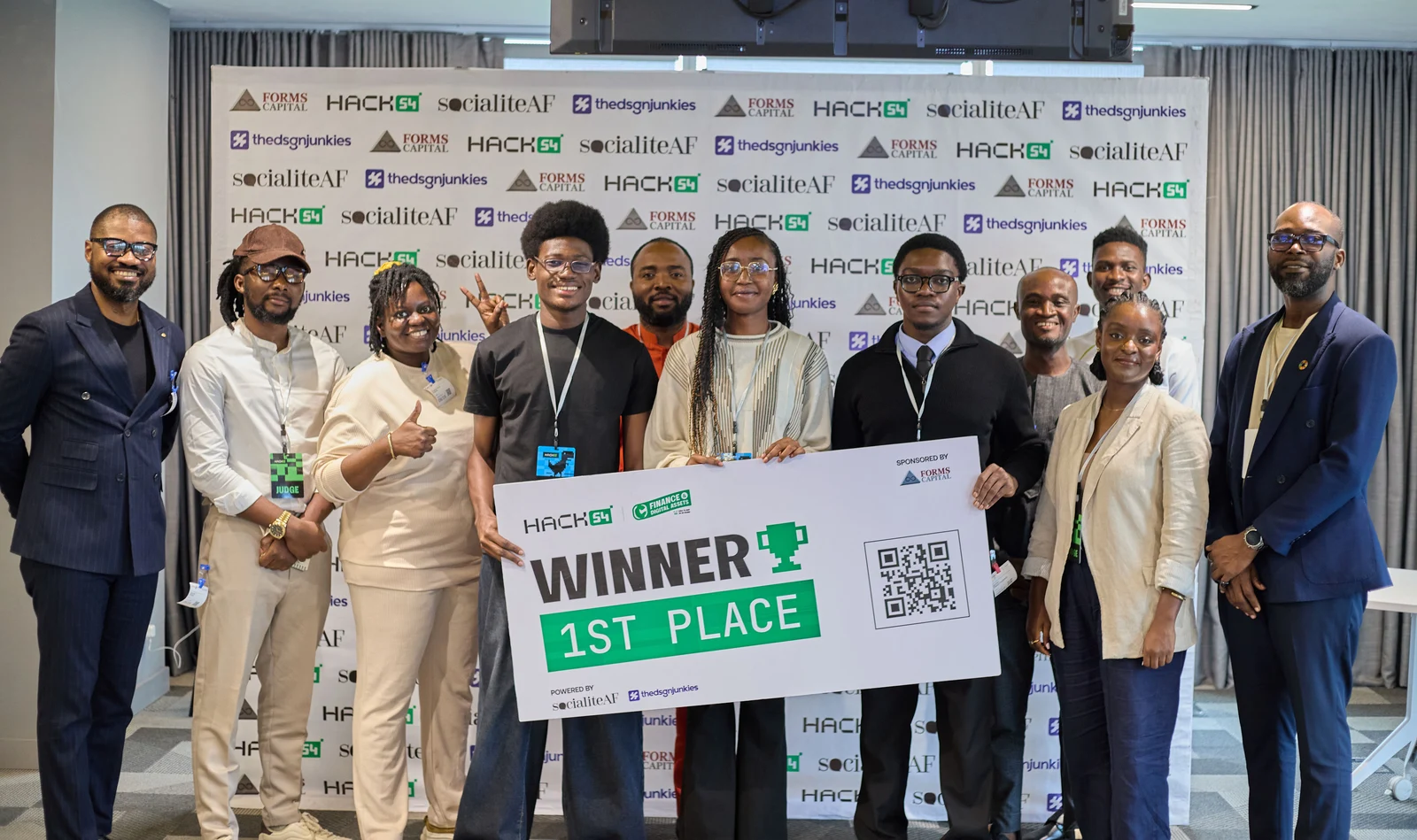
In August 2026, I spent 48 hours at the Google AI Community Center in Accra with Team MobiFin, building an idea we weren’t sure would even work by the deadline. It did — and we walked away with 1st place at Hack54’s Financial Hackathon.
The Problem We Picked
Mobile money (MoMo) agents are the backbone of everyday finance across Ghana, but the agents themselves are often left out of the financial system they help run. Managing liquidity — having enough float on hand to serve customers without money sitting idle — is a constant, manual headache. And because most of these agents and their customers are unbanked, there’s very little structured data to work with when it comes to things like credit scoring.
We decided to build infrastructure to help with exactly that: an AI-powered liquidity management system for MoMo agents, with an alternative credit scoring layer built on top of data most systems never touch.
What We Actually Built
In 48 hours, the team:
- Trained a custom machine learning model to power liquidity management and alternative credit scoring
- Integrated MTN’s API for USSD-based verification, pulling unbanked customers’ financial data directly from the mobile money network
- Architected the integration so it could scale to other telecom networks beyond the hackathon build
- Designed the whole system around giving MoMo agents a sustainable secondary income stream, not just a management tool
That last point mattered a lot to us. It’s easy to build a technically impressive tool that doesn’t actually change anything for the person using it. We kept coming back to the question of whether an agent would want to use this, not just whether it worked in a demo.
What I Took Away From It
Forty-eight hours is not a lot of time to train a model, wire up a live API integration, and have something demo-able at the end — let alone something that has to hold up under judges’ questions. A few things stuck with me:
- Scope ruthlessly. We cut features constantly and it was the right call every time.
- Build for the constraint you actually have, which in this case was unbanked users with no traditional credit history — the interesting engineering was in working around that gap, not pretending it didn’t exist.
- Fintech for underserved users is a genuinely hard, genuinely worthwhile problem. I want to keep working on things like this.
Winning was a great feeling, but the bigger win was realizing this is the kind of problem I want to keep chasing — infrastructure that works for people the financial system usually skips over.
If you’re building something similar, or just want to talk about it, reach out — I’d love to compare notes.